
Displays & TVs for Transport
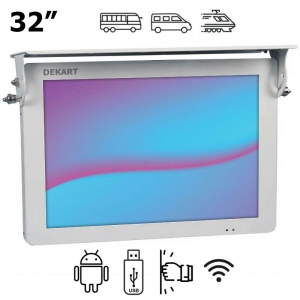
Bus displays and digital signage bus TVs are used for creating a multimedia system inside the bus. It may be a single display in front of the bus, or several screens distributed inside the bus. TVs for buses have high brightness, clarity, and a number of advantages over conventional displays. read more...
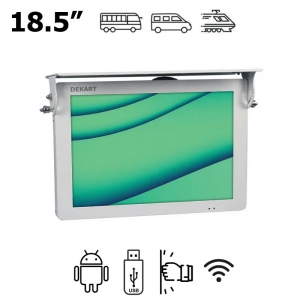
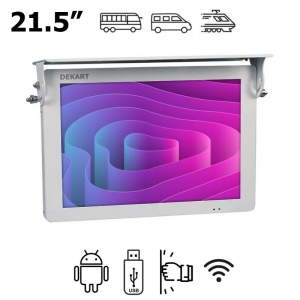
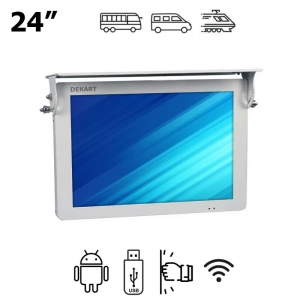
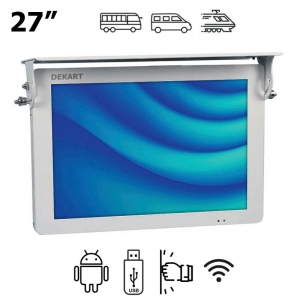
Displays & TVs for Transport |
Bus displays are made in a shock-proof housing, can have screen protection, working at constant vibration and temperature changes. Specially designed roof mounts and wall mounts allow you to safely and securely fasten the screen. Bus televisions and displays are essentially important while traveling long distances. That is why these TVs for transport can be met not only in buses, but also in taxis, trolley buses and trains. Passengers will not get bored while travel if you have bus display system installed. And you can show not only films and video clips but also use the display as an advertising display for the bus.
What Are Advertising TVs Used For in Public Transport?
- Advertising Goods and Services
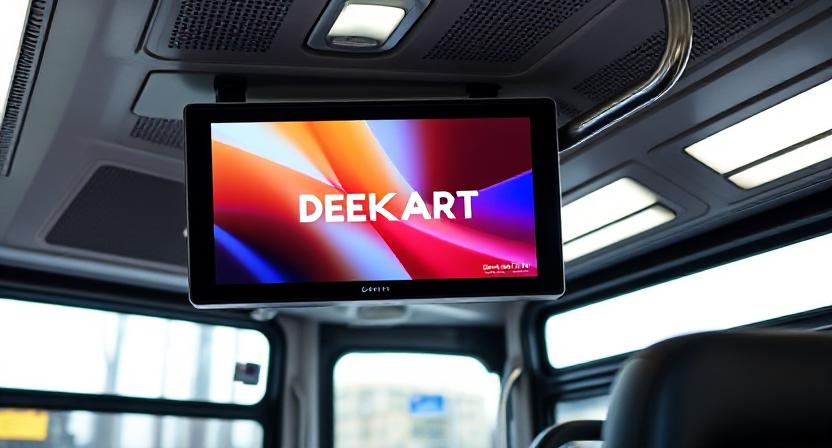
Broadcasting commercial advertisements to attract customers. The ability to target audiences based on routes and types of transport.
- Passenger Information
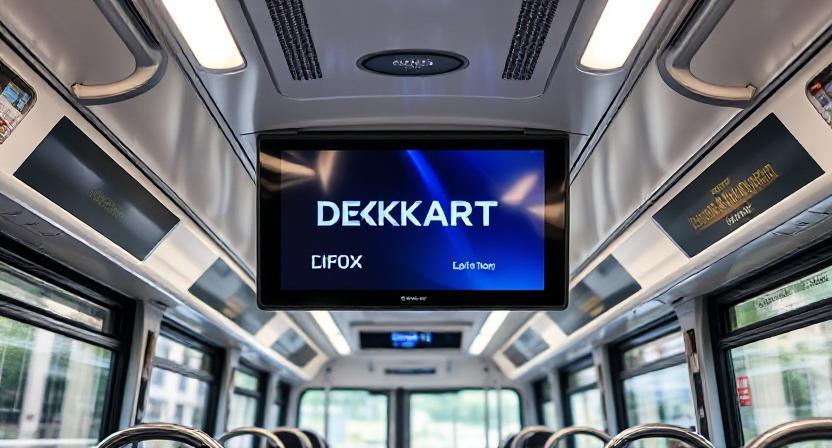
Transport schedules, route and transfer information, city, regional, or national news, and emergency announcements.
- Entertainment

Short video clips, music videos, humorous sketches, interesting facts, quizzes, or educational content.
- Social Advertising

Broadcasting messages aimed at raising awareness about important topics: ecology, safety, health, and charity.
- Monetization for Transport Companies

Installing screens allows transport companies to earn revenue by selling airtime to third-party organizations.
- Enhancing Passenger Comfort
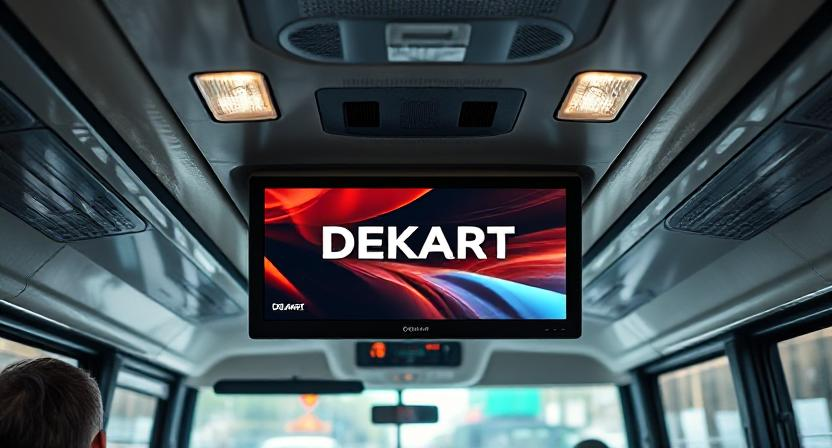
Screens make trips more enjoyable, especially on long routes (e.g., trains or commuter trains).
- Promoting City and Tourist Services
On tourist routes, screens can display information about attractions, events, and promotions.
Types of Public Transport with Advertising TVs
- Buses
City and intercity buses. Used for advertising, entertainment, and passenger information.
- Trolleybuses
Similar to buses, trolleybuses are equipped with screens for broadcasting advertisements and useful information.
- Trams
In modern trams, screens are often installed above doors or along the cabin. They help passengers track routes and stay informed.
- Subways
Advertising TV screens in subway cars, stations, and passageways. Used for advertising, social messages, and passenger entertainment.
- Commuter Trains and Long-Distance Trains
In commuter trains and long-distance trains, screens broadcast advertisements, schedules, route information, and entertainment content.
- Minibuses
In minibuses and shuttle vans, smaller screens are used, but they are also effective for advertising and information.
- Taxis and Car-Sharing
Some taxi and car-sharing services install screens to display advertisements and useful information for passengers.
Advantages of Advertising TVs in Public Transport
- Wide Audience: Millions of people use public transport daily.
- High Engagement: Passengers in enclosed spaces are more likely to pay attention to screens.
- Flexibility: Content can be easily updated depending on the time of day, route, or events.
- Cost-Effectiveness: The cost of such advertising is lower than TV or online, while the reach is significant.
Advertising TVs in public transport are a versatile tool that helps advertisers effectively promote their services and transport companies improve the quality of passenger service. They are used in buses, trolleybuses, trams, subways, commuter trains, and even taxis, making trips more comfortable and informative.