◼ USB Charger sockets for public transport solution

Why Onboard USB Power Infrastructure is Essential for Modern Transit Fleets
Onboard power access has evolved from a passenger luxury into core transit infrastructure. As urban transportation shifts toward digital ticketing, mobile transit maps, and contactless payments, passenger device battery life directly impacts user experience. Installing heavy-duty vehicle USB charging sockets across city buses, commuter trains, and ferries allows transit authorities to resolve passenger power anxiety while modernizing overall fleet standards.

Commercial Fleet Engineering Specifications
Consumer-grade USB chargers quickly fail when subjected to continuous vehicle vibration, wide voltage swings, and heavy passenger usage. Purpose-built transport chargers incorporate industrial-grade components to meet strict automotive and transit standards:
| Technical Parameter | DEKART Commercial Fleet Specification | Operational Benefit |
|---|---|---|
| Input Voltage Range | Wide-input DC 12V–24V–36V (DC-DC step-down conversion) | Prevents device damage during vehicle engine start-up and voltage spikes. |
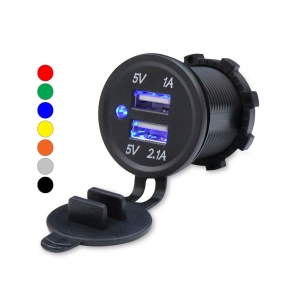
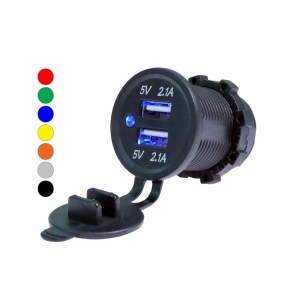
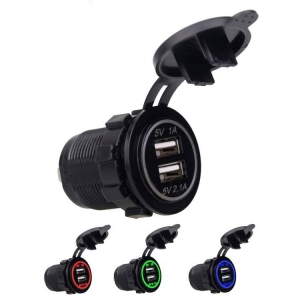
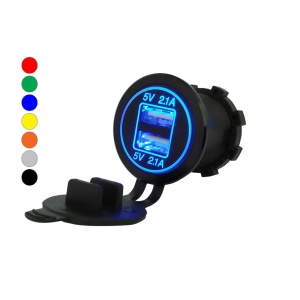
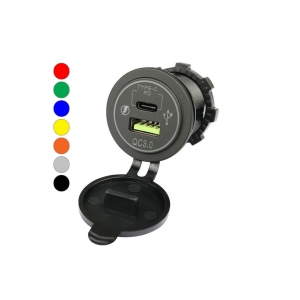
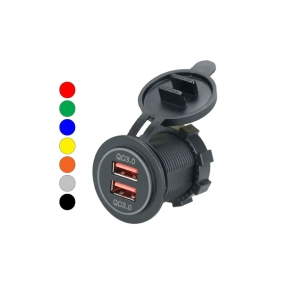
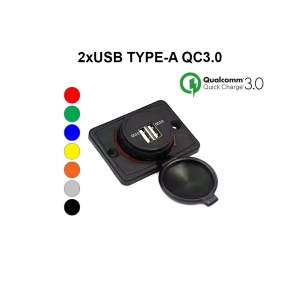
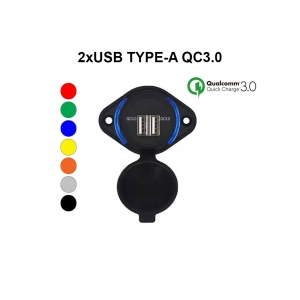
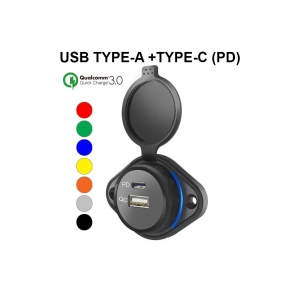
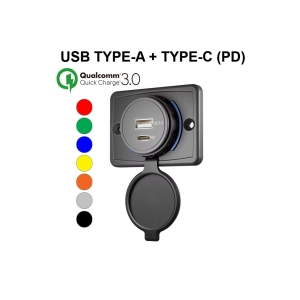
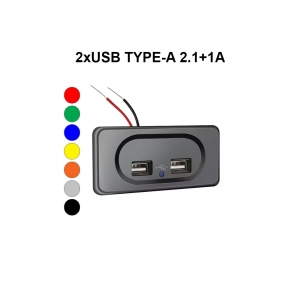
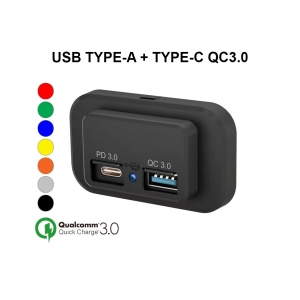
| Charging Standards | Dual USB-A (5V/2.4A) & USB Type-C Power Delivery (PD 3.0 up to 45W) | Fast-charges modern smartphones, tablets, and laptops simultaneously. |
| Housing Integrity | Vandal-resistant ABS/PC polymer or aluminum shell (UL94-V0 flame retardant) | High impact resistance (IK10 rated) preventing accidental or intentional damage. |
| Protection Circuitry | Over-current, over-voltage, short-circuit, and thermal shutdown protection | Safeguards passenger devices and isolates vehicle electrical networks. |
| Ingress Protection | IP65 dust- and splash-proof spring covers | Withstands wet interior cabin cleaning, liquid spills, and marine exposure. |
| Compliance Standards | CE, RoHS, FCC, and ECE R10 (Automotive EMC) compliant | Meets international regulatory standards for public transport electronics. |
Strategic Advantages for Fleet Operators and Authorities
Deploying certified vehicle charging ports delivers measurable long-term value for private transport operators and municipal authorities:
- Ridership Retention: Offering reliable charging amenities increases passenger satisfaction scores on long suburban lines, intercity coaches, and commuter rail systems.
- Electrical System Safety: Tamper-resistant USB sockets prevent passengers from tapping into maintenance power outlets or using dangerous power banks, protecting the main DC bus bar.
- Maintenance Efficiency: Recessed mounting, hidden wiring channels, and anti-vandal security screws reduce cabin wear, lowering equipment maintenance costs over a vehicle's 10-to-15 year lifecycle.

Mounting Options and Vehicle Integration
Commercial USB chargers are designed for seamless retrofitting or original equipment manufacturing (OEM) installation across diverse transit vehicles:
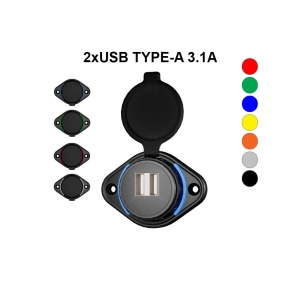
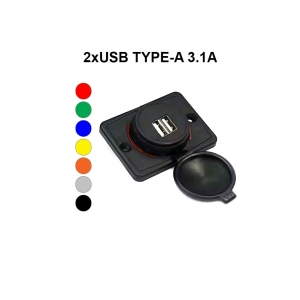
- Seat-Back & Armrest Recessed Sockets: Flush-mounted dual USB ports integrated into passenger seat frames on long-distance coaches, intercity buses, and passenger trains.
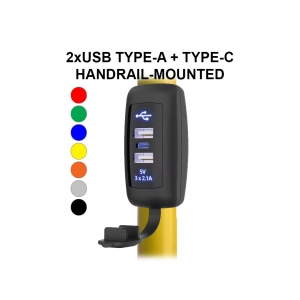
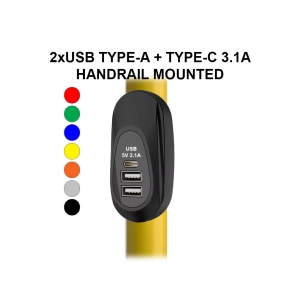
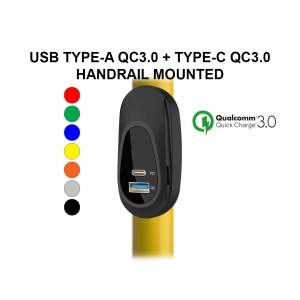
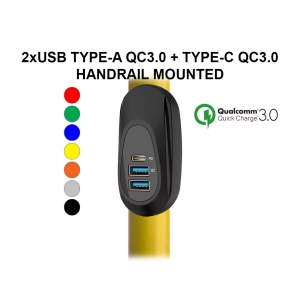
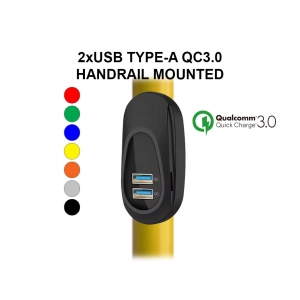
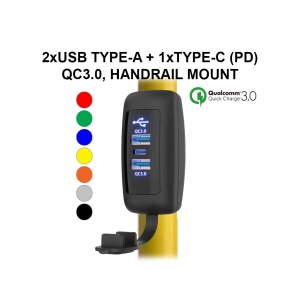
- Grab-Pole & Wall-Mount Modules: Heavy-duty clamping chargers designed for 32mm–35mm vertical stanchions and side walls in city transit buses, trolleybuses, and subways.
- Waterproof Marine Power Ports: Corrosion-resistant, IP65/IP66 sealed charging units engineered for open-deck passenger ferries, water taxis, and river cruise vessels.
- Heavy Machinery & EV Cabins: Shock-resistant 12V-24V charging sockets for electric shuttles, taxis, delivery vans, and heavy construction equipment cabs.
Selecting a high-reliability solution for public transport ensures long-term operational performance while providing the continuous connectivity modern commuters demand.