
USB Chargers in Street Furniture for Urban Parks, Zoos, Fountains and Sculptures
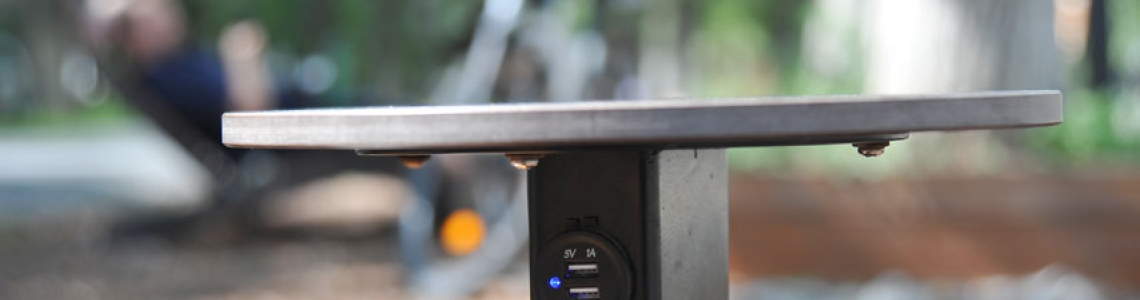
Modern public spaces, including cultural parks, zoos, embankments and fountain areas, are actively implementing innovative solutions within the Smart City concept. Professional USB chargers for street furniture have become an essential element of modern technological infrastructure. The integration of protected flush-mounted sockets and charging stations into street design elements significantly increases the attractiveness of recreational areas for citizens, increases tourist dwell time and demonstrates care for the needs of modern people.
Benefits of Installing USB Chargers in Public Spaces
Equipping city parks, zoos and coastal recreational areas with stationary charging devices brings measurable benefits for facility administrations and visitors. Citizens get the opportunity to safely recharge smartphones, tablets, power banks and other mobile gadgets during long walks. This is critically important for families with children, tourists and people using navigation mobile applications for orientation on the territory.
For urban space administrations, designers and manufacturers of small architectural forms, installing reliable USB chargers for street furniture becomes a significant competitive advantage. The presence of power points increases the attendance of the location and increases the average time guests spend on the territory. Modern vandal-resistant Dekart charging solutions harmoniously integrate into the existing architectural environment without disturbing the aesthetics of historical monuments and cultural objects.
Key Benefits for Urban Environment and Business:
- Increased visitor comfort: ability to quickly and safely charge digital devices at any key point in the park.
- Increased dwell time: guests stay longer on the territory, which stimulates revenue growth for local cafes and rental areas.
- Attracting young people: technological smart infrastructure increases the popularity of recreational areas among the digital generation.
- Improved city image: clear demonstration of a modern innovative approach to improving the urban environment.
Features of Installing USB Chargers in Cultural and Recreation Parks
Modern cultural parks are multifunctional territories with diverse landscape and walking zones that require thoughtful engineering planning when placing charging stations. When preparing technical specifications, it is necessary to take into account pedestrian flow intensity, the location of main attractions and quiet recreation areas. Strategic distribution of power points ensures uniform coverage of the territory and accessibility for all categories of guests.
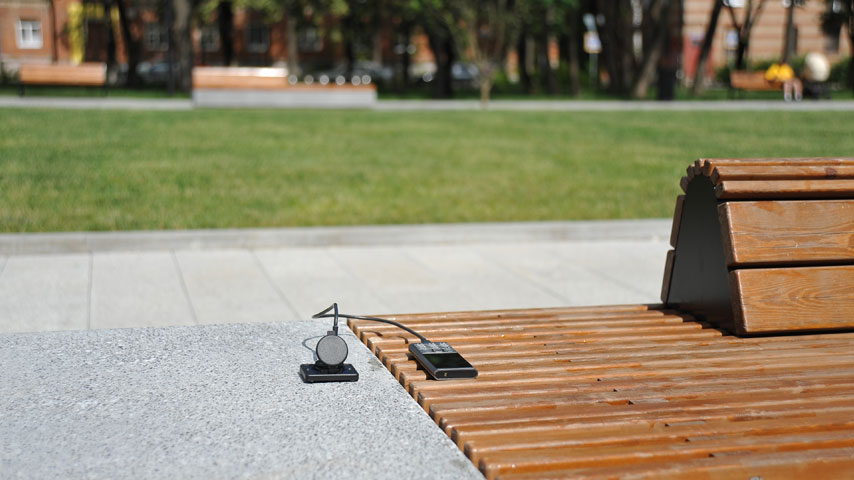
In the park environment, it is optimal to use specialized USB chargers for outdoor benches, which are permanently integrated into existing or planned street furniture. Such flush-mounted solutions completely preserve the architectural aesthetics of the space and guarantee maximum protection against intentional vandalism. For locations with extremely high traffic, it is recommended to install free-standing charging columns and pylons with multiple ports.
Recommended Installation Locations in Parks:
- Recreation areas around fountains — traditional places of concentration and long-term gathering of visitors.
- Areas with sculptural compositions — popular photo zones where gadgets quickly discharge due to camera operation.
- Children's and sports grounds — long waiting points for parents accompanying children.
- Alleys, promenades and transport hubs — main transit and pedestrian routes for guest movement.
- Cafes, open verandas and dining areas — places where visitors stay the longest.
Specifics of Equipping Modern Zoos with Charging Stations
Zoos and aquariums, as large educational and entertainment complexes, have unique requirements for organizing cable routes and outdoor charging infrastructure. Visiting such facilities usually takes several hours, during which guests continuously use smartphones for photo and video shooting, navigation on interactive maps and reading QR codes to obtain information about animals. Ensuring continuous operation of mobile devices significantly improves the overall guest experience.
When choosing equipment for zoos, engineers must take into account increased requirements for electrical safety and protection from aggressive external influences. It is recommended to use professional modules with enhanced sealing against moisture, fine dust and mechanical damage, strictly complying with the international standard IP67 and higher.
Key Installation Areas in Zoos:
- Viewing platforms near enclosures — places of greatest concentration and stop for excursion groups.
- Rest areas between pavilions — strategic points for short snacks and rest.
- Educational centers and lecture halls — venues for presentations, lectures and children's events.
- Entrance groups and ticket areas — starting spaces for gathering excursions and long waiting.
Integration of USB Chargers in Fountain and Sculpture Areas
Urban fountains and sculptural compositions are key attraction points in architectural spaces around which zones of social activity are formed. Integration of moisture-protected charging stations into these areas allows visitors to combine aesthetic enjoyment with practical benefit. Special attention in design should be paid to the harmonious combination of Dekart technological elements with the artistic design of the landscape.
For areas near fountains and embankments, absolute tightness of the equipment is critically important. Outdoor modules with a protection class of at least IP68 should be selected, capable of operating stably in conditions of constant high humidity and withstanding direct splashes or water jets. Our expert review TOP 10 USB chargers for street furniture presents optimal solutions for operation in extreme conditions.
Features of Installation near Fountains and Sculptures:
- Protection against splashes and flooding: mandatory engineering condition for safe operation in fountain areas.
- Aesthetic integration of modules: preservation of visual harmony with the architect's artistic concept.
- Consideration of seasonality factor: structural possibility of quick conservation or dismantling of ports for the winter period.
- Power connection safety: use of reduced voltage (12V-24V) to guarantee protection of citizens from electric shock.

Technical Requirements for USB Chargers for Public Spaces
The choice of reliable charging equipment for parks, zoos and other open public areas requires a thorough analysis of the technical characteristics included in the project estimate documentation. Devices must ensure uninterrupted operation over a wide temperature range, have resistance to harsh ultraviolet radiation and reliable protection against any type of atmospheric precipitation. Full compatibility with different generations of gadgets and support for modern power protocols are mandatory requirements.
As detailed in our technical guide what types of outdoor USB chargers are available, combined models are optimal for public spaces. The presence of both USB-A and USB-C (Type-C) ports on the front panel, as well as support for intelligent Power Delivery (PD) and Quick Charge (QC 3.0) technologies, ensures versatility and maximum battery charging speed for all types of mobile devices.
Critical Technical Parameters for Designers:
- Protection degree IP67 / IP68: complete tightness of internal boards from penetration of water, moisture and fine dust.
- Operating temperature range: stable operation in climatic conditions from -40°C to +50°C.
- Vandal-resistant design (IK10): impact-resistant monolithic housing, resistant to mechanical shocks and attempts to break the device.
- High charge power: output from 18W to 21W per port to provide fast charging function.
- Interface configuration: presence of 2 to 4 independent ports per built-in station for simultaneous connection of several gadgets.
Experience of Successful Implementation in Various Types of Spaces
Many megacities and small towns have already successfully implemented intelligent public charging systems in parks and recreational areas, demonstrating excellent behavioral and economic results. Analysis of best world practices allows us to identify key factors for successful implementation of improvement projects. Integration of Dekart charging stations into comprehensive municipal programs for the development of the urban environment provides a powerful synergistic effect and maximum return on investment.
The principles of equipment selection, similar to those described in our article what types of outdoor USB chargers are available (in the context of bus stop pavilions), are fully applicable to park areas. Consideration of daily use intensity, local climatic features of the region and strict fire safety requirements allows us to select optimal engineering solutions for each specific improvement project.
Best Practices for Project Implementation:
- Phased network deployment: the project should start with the most visited traffic zones to test loads.
- Equipment unification: use of the same type of power modules to simplify subsequent service maintenance.
- Information support: clear designation of charging zones with bright navigation signs and pictograms.
- Regular scheduled maintenance: periodic checking of seal tightness and maintaining system functionality by utility services.

Comparison with Other Types of Charging Solutions
Professional USB chargers for public spaces have strict design differences from similar solutions intended for commercial closed environments. Unlike interior USB chargers for hotels and resorts, specialized outdoor models require uncompromisingly high protection class against aggressive environmental factors, temperature fluctuations and intentional vandalism. However, the basic principles of ensuring ergonomics, user convenience and electrical safety remain common to all product lines.
Modern electronics manufacturers offer strictly specialized product lines for various use scenarios, taking into account the specific requirements of each specific B2B segment. This allows engineers and design institutes to select optimal solutions that best suit future operating conditions at the facility.
Prospects for Technology Development in the Smart Urban Environment
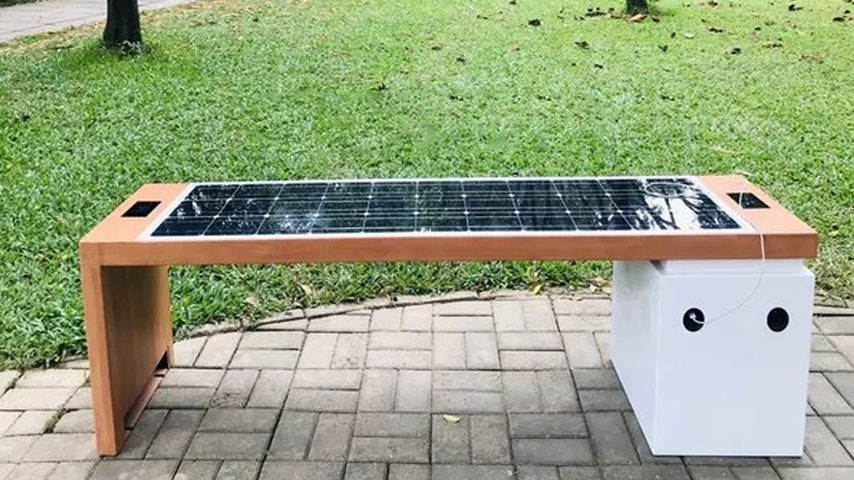
The development of intelligent public charging technologies continues to gain momentum rapidly, offering the market increasingly advanced and multifunctional engineering solutions. In the near future, deep integration of outdoor USB chargers with Smart City system ecosystems, autonomous solar panels and distributed IoT platforms is expected. This will allow not only to provide basic popular gadget power services, but also to remotely collect analytics on the intensity of space use, optimize energy consumption of urban networks and offer residents additional digital services. Modern trends in urban planning indicate the growing importance of technological infrastructure in public spaces as a fundamental element of the quality of the modern urban environment. Investments in such durable solutions pay off due to a sharp increase in the tourist attractiveness of territories and citizen satisfaction.