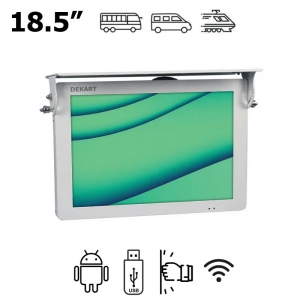
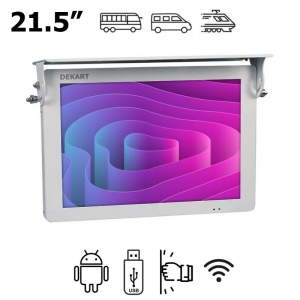
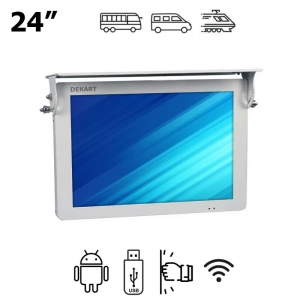
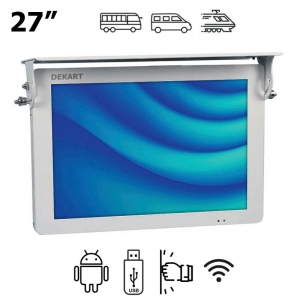
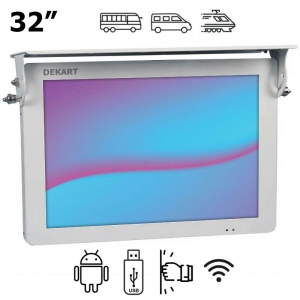
◼ Monitors and TVs for Commuter and Metro Carriages
In today's fast-moving world, efficient and reliable public transport systems matter more than ever. Commuter trains and metros carry millions of passengers every day, and they need cutting-edge tech to raise service quality, safety and overall operating efficiency. One of the key innovations in modern transport is the integration of LCD screens and TVs. These versatile devices play a big part in delivering real-time information, boosting safety and even generating revenue through advertising. This article looks at how LCD screens are shaking up the transport sector — particularly on commuter trains and metros — and what they bring to both passengers and operators.
Where can LCD screens be installed on commuter trains and metros?

LCD screens have become a natural part of modern commuter train and metro design. They go in strategic spots inside carriages to give passengers important information and services. Where you place them matters a great deal for visibility and usefulness.
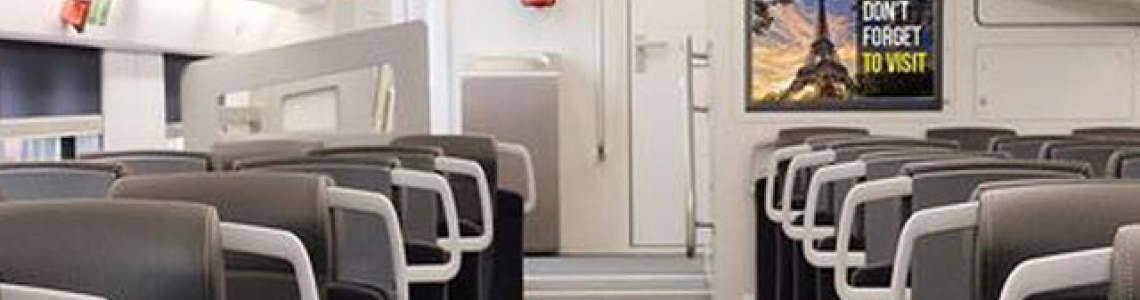
- Above the doors: LCD screens often sit above carriage doors so everyone boarding or leaving can see them. These positions make information easy to read without getting in passengers' way or blocking other screens.
- Upper sections: Large LCD screens can go on the ceiling in the middle of carriages, giving both seated and standing passengers a good view. That placement means people in any position can catch important service updates or advertising.
- Near entrances and exits: Smaller screens often sit near doors to give passengers quick access to route info. That's ideal for anyone needing to check stops, schedule changes or emergency announcements.
These placements boost functionality and convenience for passengers by putting key info in easy-to-reach spots.

What are LCD screens used for on commuter trains and metros?

LCD screens on commuter trains and metros serve several key functions that improve passenger experience and lift operating efficiency. These systems deliver essential information and entertainment, so a trip becomes informative as well as enjoyable. Beyond schedules and route info, screens can handle safety notices, emergency signals and even advertising. For more on [transport electronics](https://www.dekartpro.com/en/transport) and their role in modern transport systems, take a look at the characteristics of these devices.
- Passenger information: The main job of LCD screens is showing real-time travel data such as upcoming stops, train delays and connections. Continuous updates keep passengers informed throughout the journey.
- Emergency notices: In an emergency, LCD screens become a key tool for delivering safety instructions. They show clear, visible messages about evacuation procedures or safety measures, often with icons for easier understanding.
- Advertising and promotion: LCD screens on trains and metro stations are ideal for advertising, which can be targeted by time of day, route or location. These screens can show ads for local businesses, upcoming events or sponsored campaigns, making them an excellent monetisation platform. Find out more about [displays and televisions for transport](https://www.dekartpro.com/en/transport/transport-display).
With these varied functions, LCD screens become an indispensable tool for improving the quality of journeys and delivering real business value.

Specs and requirements for LCD screens on commuter trains and metros

The specs of LCD screens used on commuter trains and metros need to meet strict requirements to guarantee they work in tough conditions. These screens have to be rugged, reliable and able to show information clearly even in crowded, often chaotic environments. Below are the key characteristics and requirements for these displays.
- High brightness and contrast: LCD screens need high brightness (at least 1000 nits) to stay visible in different lighting, including daylight and artificial light. High contrast is also essential for clear reading from a distance.
- Ruggedness: LCD screens used in transport must handle constant vibration, impact and physical knocks. That toughness comes from reinforced glass, shock-absorbing mounts and robust housings.
- Wide temperature range: Screens need to work in a wide temperature range — from freezing winters to hot summers. They must function where temperatures swing from -20°C to +50°C.
- Low power consumption: With commuter trains and metros looking to cut energy use, these screens are designed for minimal power draw. That makes them more energy-efficient and greener, reducing the transport system's overall carbon footprint.
These specs are essential for LCD screens to work reliably in the tough, variable conditions of commuter trains and metros.

Why is this good for citizens and the city?

For citizens, fitting LCD screens on commuter trains and metros brings numerous benefits in terms of both convenience and safety. These screens improve the overall travel experience by giving passengers up-to-date info, safety instructions and entertainment. For cities, they help build more modern, efficient and accessible public transport systems.
- Better passenger experience: LCD screens give passengers real-time info that helps them plan trips more effectively. Showing train schedules, stations and updates, these screens cut confusion and uncertainty.
- Improved safety: LCD screens are a key tool for passing on safety instructions in an emergency, such as a fire or accident. This reduces panic and helps keep evacuation and response calmer. Smart-city integration: LCD screens are part of a broader trend towards smart cities, where tech lifts the quality of urban life. Using LCD screens for transport updates lets cities offer a more connected and efficient public transport system.
So these screens play a big part in making urban public transport more convenient, safer and future-ready.

What owners gain and how to monetise

For commuter train and metro owners, fitting LCD screens opens several income opportunities. These screens are an excellent advertising platform, which can offset the cost of installation and maintenance. Beyond that, transport operators can offer passengers premium services such as entertainment or info subscriptions, further boosting income.
- Ad revenue: LCD screens are ideal for showing advertising that can be targeted by time of day, route or location. Local businesses, national brands and even city tourism bodies can advertise their goods and services, delivering substantial revenue for transport authorities.
- City subsidies: Beyond basic information, owners can receive subsidies from the city.
- Sponsorship partnerships: Partnerships with brands and organisations aligned with public transport can be a profitable income source. Sponsored content or branded carriages are another way to monetise the screens.
By exploring these opportunities, owners can turn fitting LCD screens into a profitable investment that supports the long-term sustainability of the transport network.
Why buy from Dekart Digital?
Dekart Digital is a leading supplier of high-quality LCD screens purpose-built for commuter trains and metros. With a focus on ruggedness, energy efficiency and cutting-edge tech, their products meet the strict demands of public transport use. The company's expert team provides tailored solutions that guarantee every project is delivered at the highest level.
- Proven quality: Dekart Digital screens go through strict reliability testing under tough transport-system conditions. The company's products meet all industry standards for safety, toughness and performance.
- Energy efficiency: With a focus on low power consumption, Dekart Digital screens help cut operating costs and improve the environmental sustainability of public transport.
- Full support: From installation to regular servicing, Dekart Digital offers a full service range, ensuring their products run at peak efficiency for the whole service life.
Choose Dekart Digital and transport operators can be sure they're investing in reliable, advanced tech that will improve their systems for years to come.